Period-accurate construction
Patterns drafted from museum references and surviving garments — 14th-century kirtles through 1970s tailoring, with era-correct seams, boning and closures.
Bespoke costume atelier · Est. 2008
MythenCraft turns a director's vision into a garment an actor can live in — drafted from research, cut by hand, and finished to withstand a full run of performances.
Years in the workroom
Productions costumed
Custom pieces delivered
Our work
We read the character before we read the measurements. A merchant's coat in 1620 Antwerp hangs differently from a courtier's, and that difference is the performance. Our workroom pairs archival pattern research with modern construction so a garment reads truthfully in close-up and still moves under stage lights.
Cutting, corsetry, millinery, dyeing and breakdown all happen under one roof in our atelier, which keeps timelines tight and accountability simple.
Three disciplines
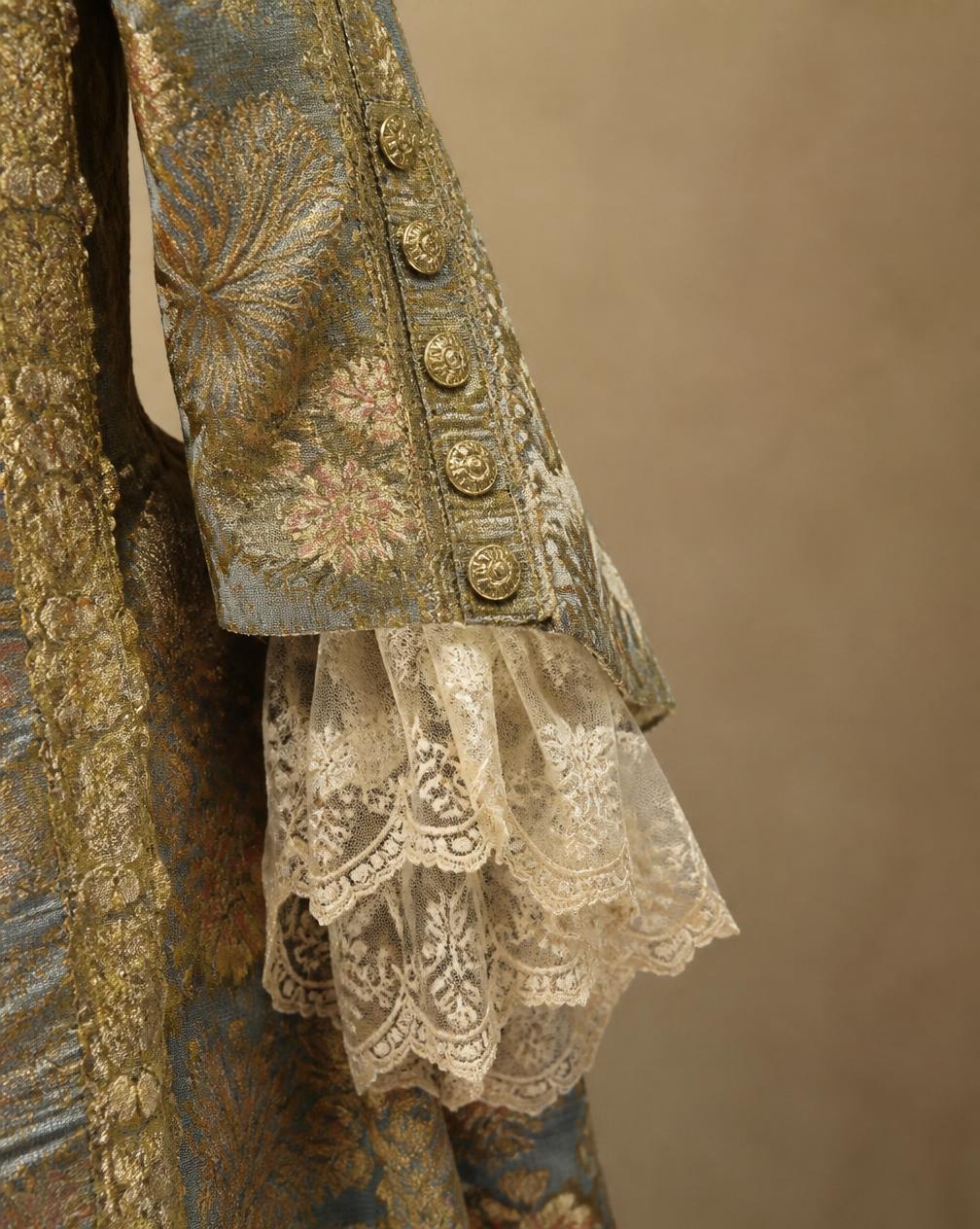
Patterns drafted from museum references and surviving garments — 14th-century kirtles through 1970s tailoring, with era-correct seams, boning and closures.
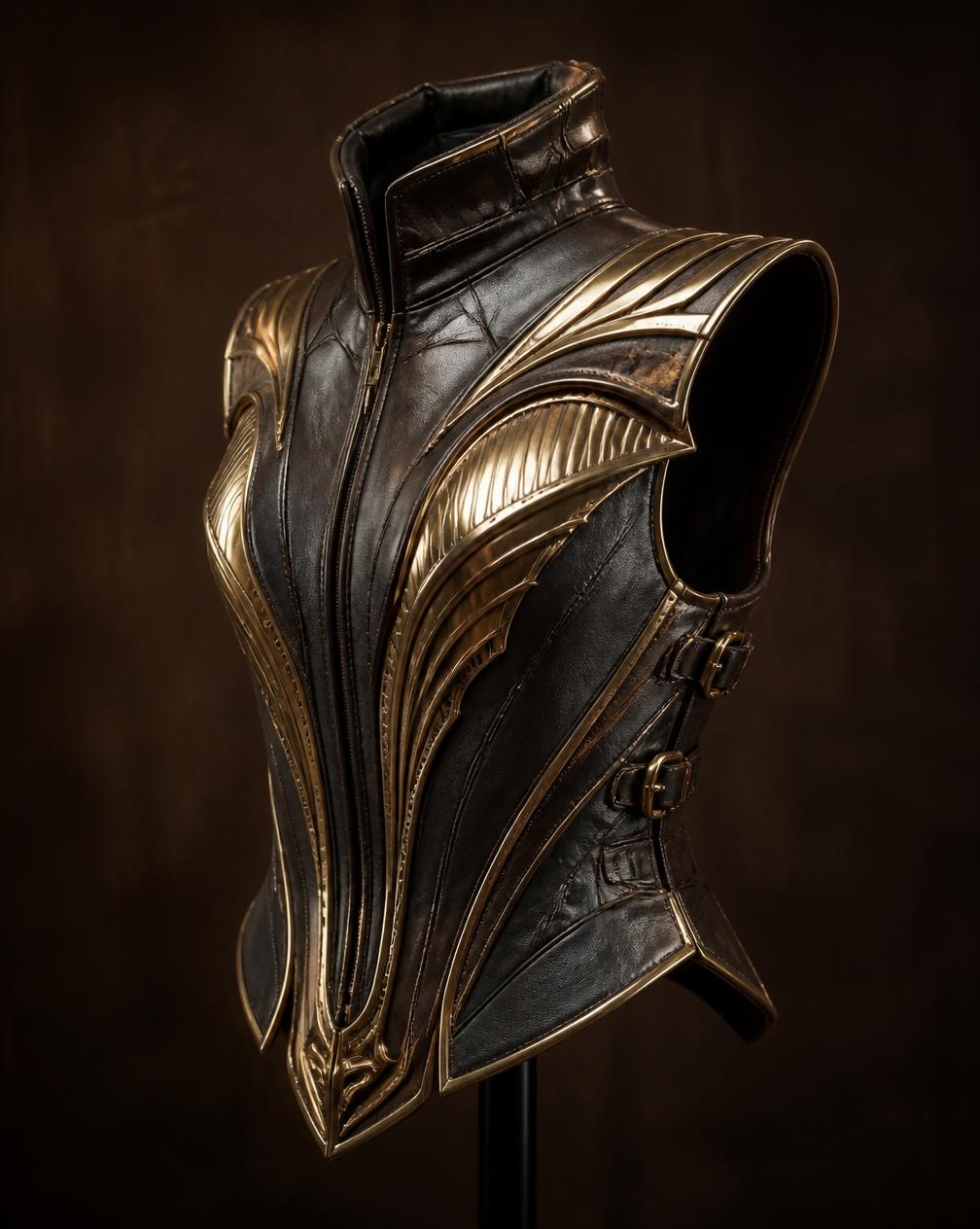
Sculpted leather, thermoplastics and hand-finished metallics engineered to read from the back row and survive eight shows a week.
Screen-matched fabrics, trims and hardware, reverse-engineered frame by frame and fitted to the wearer rather than a stock size chart.
The build
The same sequence runs whether we're making one hero costume or a wardrobe of forty. It exists so nothing surprises you in tech week.
Stage 01
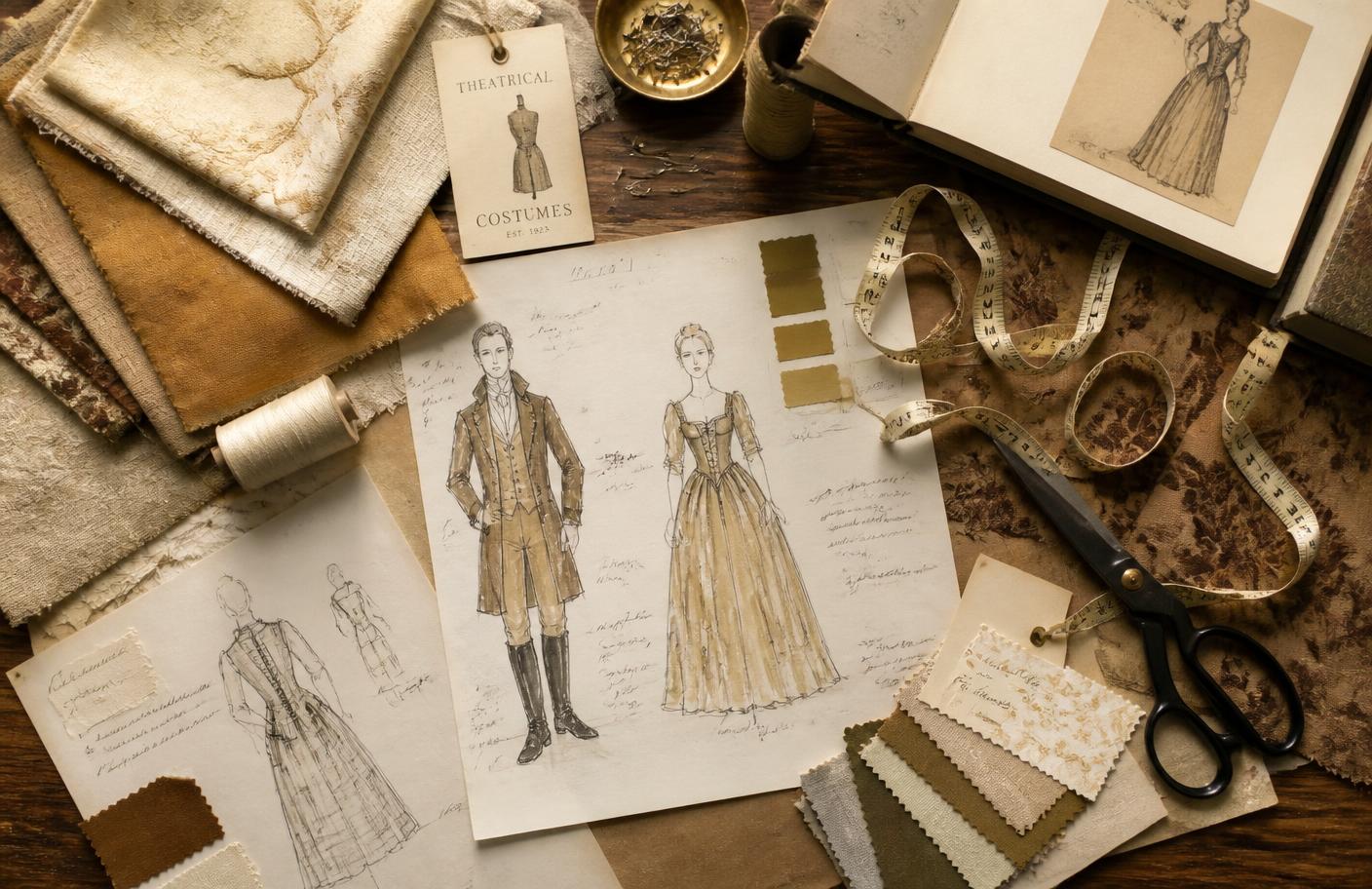
We read the script, study the period record and agree the silhouette, palette and wear-state with your designer or director.
Stage 02
Thirty-two point measurement, a calico toile and a movement fitting — the performer sits, kneels, fights and dances in it before we cut cloth.
Stage 03
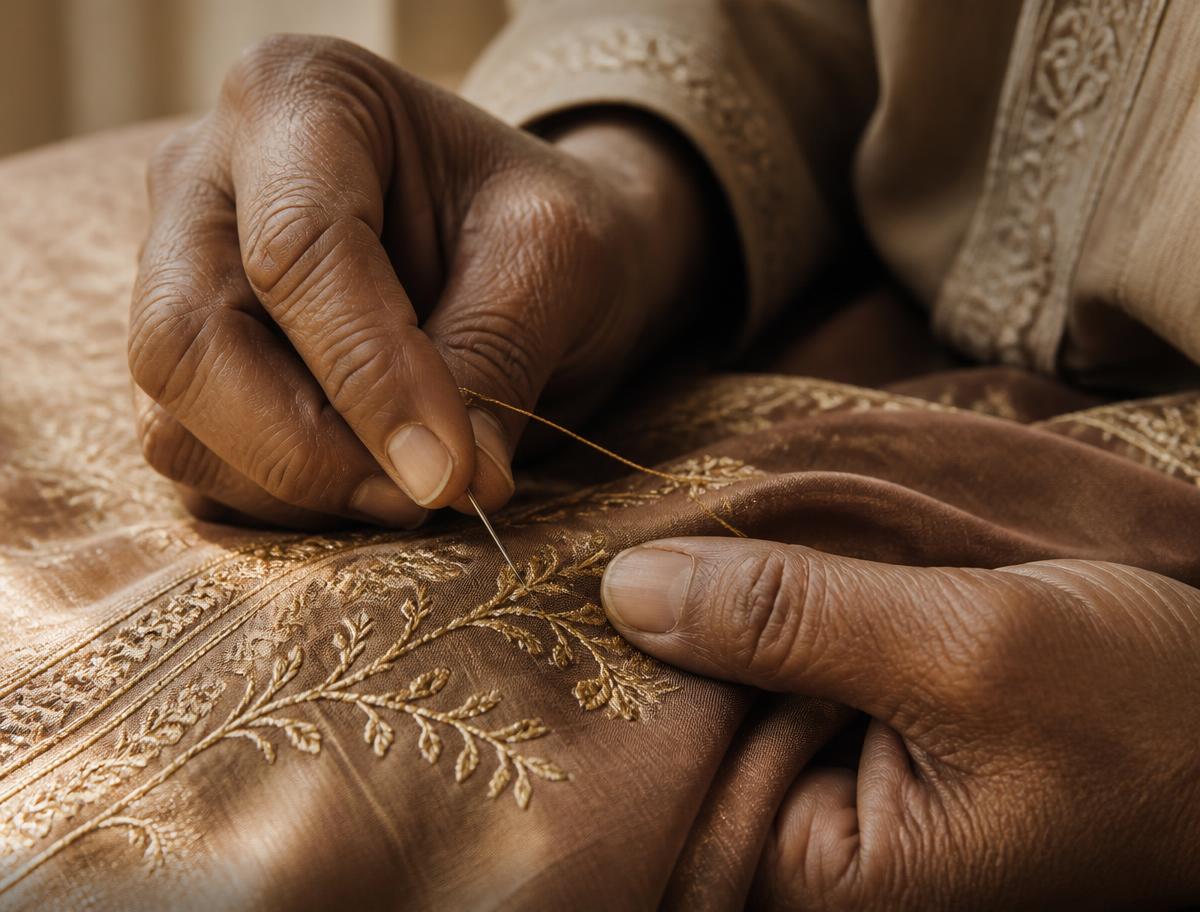
Cutting, hand-padding, boning, embroidery and dye work in-house, with structural seams built for repeated quick changes.
Stage 04
Ageing, distressing and camera tests, then delivery with a care sheet, spare fastenings and a fitting record for maintenance.
Materials
We keep long-standing relationships with mills and trim houses in Europe and the UK, and dye or hand-paint in-house when the right shade doesn't exist on a roll. Linings are chosen for breathability under lighting rigs; hardware is tested for quick changes; every metallic is checked under tungsten and LED before it's approved.
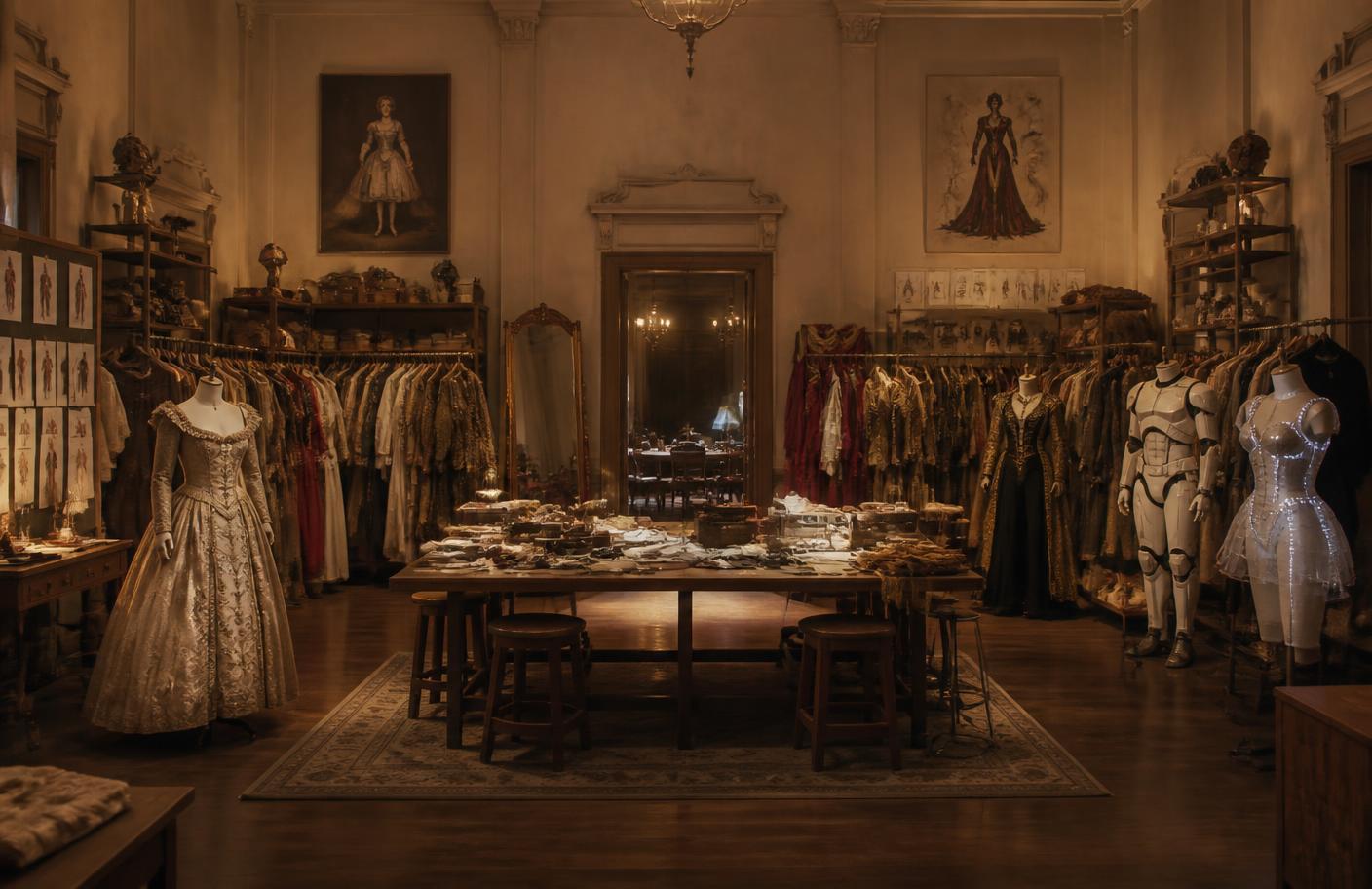
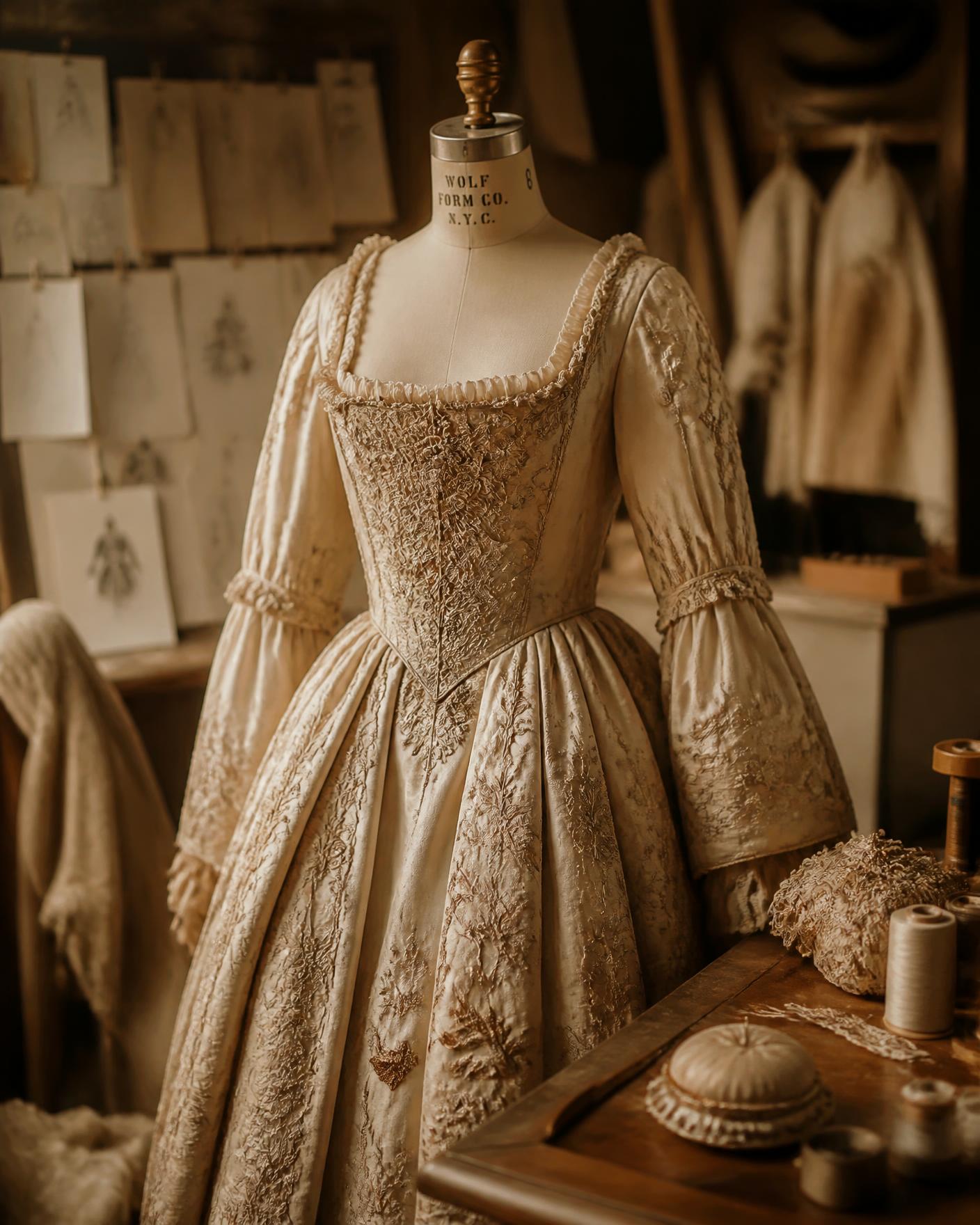
The MythenCraft workroom — cutting, corsetry, dye bench and finishing under one roof.
Questions
Something not covered here? Write to us and we'll answer with a realistic timeline and budget range.
Start a project
Send the script excerpt, design drawings or reference stills and we'll come back with a build approach, schedule and cost band.